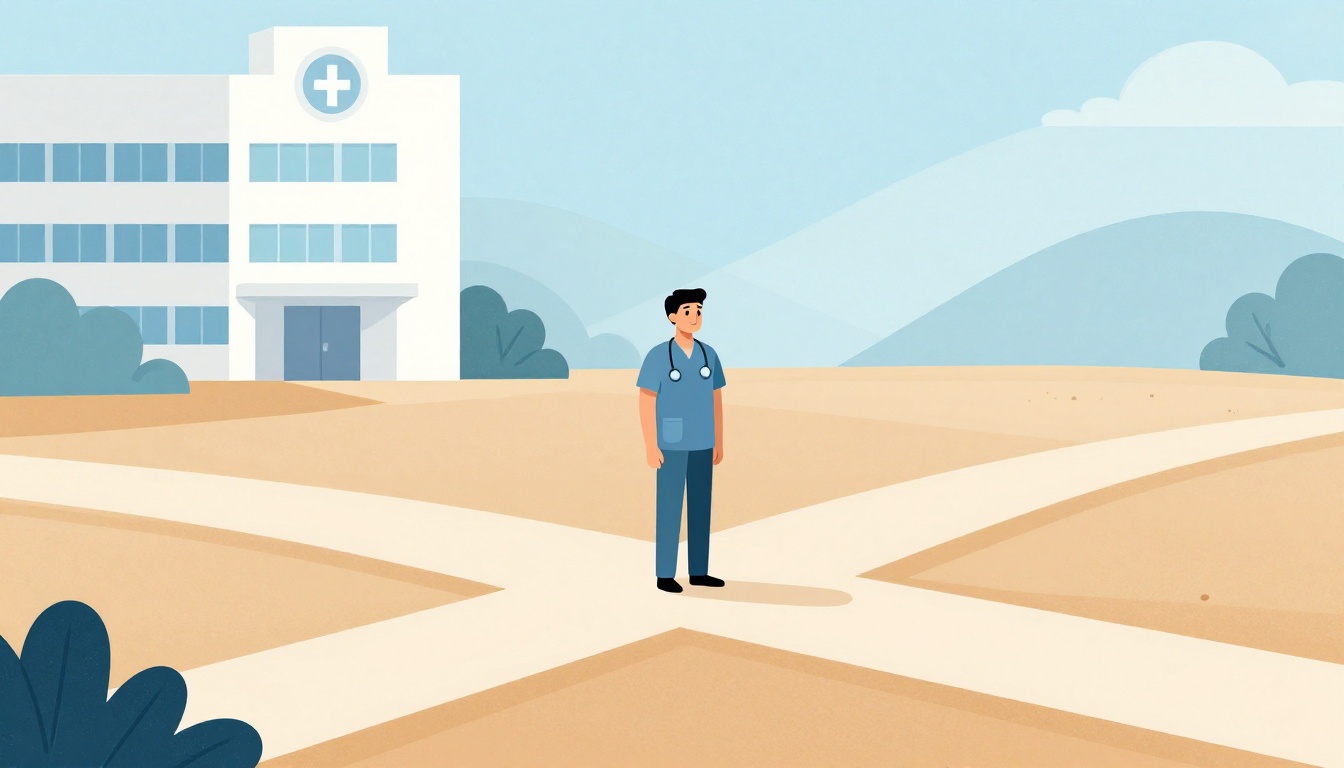
You landed your first healthcare job. You trained hard, passed the exams, and felt the rush of making a real difference. But lately, that rush has faded. You dread the alarm. You feel drained before you even clock in. If this sounds familiar, you're not alone—and you're not failing. Knowing when to leave your first healthcare job is a skill, and it's one that protects your career and your well-being.
What percentage of employees in a 2015 study had returned to a former employer?
Select one answer.
The physical signs you can't ignore
Your body often sounds the alarm before your mind catches up. According to Health eCareers, common physical red flags include high blood pressure, exhaustion, insomnia, weight gain, chest pain, and irritable bowel syndrome. If you're experiencing any of these, your job may be taking a direct toll on your health. Listen to those signals. No paycheck is worth a chronic condition.
The emotional and cultural red flags
A toxic unit culture is one of the clearest signs it's time to go. Nurse educator Bridget Montes, RN, lists seven signs she wishes she had acted on sooner: dreading every shift, crying in your car more than not, and fantasizing about a completely different life. When you start calling in sick just to survive the week, or when you raise concerns and get blamed instead of supported, the environment is broken—not you.
The interview red flags you missed
Looking back, were there warning signs during the hiring process? A LinkedIn article from Health eCareers points out that evasive answers about patient-to-staff ratios, vague responses about work-life balance, and a lack of clarity on support staff availability are major red flags. If your interviewer couldn't describe the role clearly, that lack of transparency often carries into daily work.
How to plan your exit
Leaving your first healthcare job doesn't have to burn bridges. The key is to plan a graceful exit. Schedule a private, in-person meeting with your supervisor. Give proper notice. Keep your professional network intact—healthcare is a small world, and you may cross paths with these colleagues again. A 2015 study by WorkplaceTrends.com and Kronos found that 15% of employees had returned to a former employer, and nearly half would consider it. Leave on good terms.
What to look for in your next role
Before you accept a new position, ask the hard questions. What are the actual staffing ratios? How long did the last person in this role stay? Is the job description clear, or is it full of vague promises? Avoid roles that demand "flexibility" without boundaries or that list too many requirements without explaining how the company will support you. Your next job should feel like a step forward, not another escape.
How the Resident Expert Can Help
Making the leap from your first healthcare job to the next stage of your career requires clarity and confidence. The Technical Bridge Group offers specialized training and mentorship to help you transition smoothly, whether you're preparing for a new certification or seeking hands-on experience in a different specialty. Their personalized tutoring and corporate partnerships are designed to bridge the gap between where you are and where you want to be. Visit The Technical Bridge Group to explore how they can support your next move.
Quiz: Test your knowledge
Before you go, check your understanding of the signs it's time to leave your first healthcare job.
What percentage of employees in a 2015 study had returned to a former employer?
- A. 15%
- B. 25%
- C. 5%